
Craft Beer & Brewing Course
Brewing Techniques for High Gravity Beers
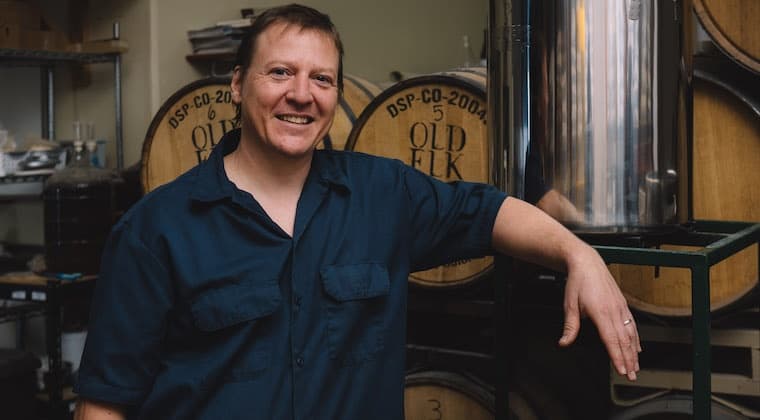
Craft Beer & Brewing Magazine® contributor Taylor Caron covers everything you need to know about high gravity and high alcohol brewing, fermenting, and packaging.
Sign in to check your access · or buy this course for $29.99
Brewing a high-gravity all-grain beer can be a challenge, and getting it right requires some forethought and planning. These beers typically involve original gravities of 1.080 or higher, which means you may be using double the amount of grain (or more) that you typically brew with. Not only does this push the limited capacity of your mash tun, but it also lowers the efficiency of your brewing system. Join Taylor Caron as he walks you through everything from recipe development through fermentation and packaging your next high gravity beer. Taylor offers advice on:
- Recipe considerations
- Alternate mashing techniques
- Hopping
- Yeast selection
- Boil considerations
- High gravity fermentation
- Carbonation and packaging
- and much more
Course contents
4 chapters, 13 lessons, 23m of video
Chapter 1
Course Introduction
- WelcomeFree preview0:48
- High Gravity Brewing OverviewFree preview5:05
- High Gravity Brewing Tips from Brad Smith
Chapter 2
Brewing Techniques
- Brew Day Techniques3:48
- Fermenting Your High Gravity Beer9:47
- 6 Tips from the Pros
- Packaging Your High Gravity Beer3:02
- Wrap Up0:29
Chapter 3
Beer Recipes
- The Dementor Imperial Stout Recipe
- Avery Brewing The Reverend Recipe
- WeldWerks Alexander the Blessed Recipe
- High-Gravity Saison with Chinese White Pepper and Bitter Orange Peel Recipe
Chapter 4
Thank You
- Questions?
What students say
Excellent Tutorial on Wort Production and Oxygen Management
I brew a lot of High Gravity beer. I normally do not get the exact gravity I want, this was very helpful in making a bigger batch, getting the wort gravity I want. Maybe making a parti-gyle from a second running. I have thought about getting a second mash tun and making two small 3 gallon batches of high gravity wort, then adding to the boil kettle for a 5.5/6 gallon batch. Highly recommend a blow off tube, or splitting the wort into two carboys (if doing a 5 gallon batch) as I often do to manage kruasen build up and becoming a mess. I oxygenate, but maybe not enough, or use enough nutrient 2-3 days into fermentation. I normally make two 800 ml starters and pitch both to a 5.5/6 gallon batch, or if I do split the batch between two carboys, I add a starter to each. Another trick I do; I use the hot wort of the beer I am making, quickly cool, pitch the yeast and put on a stir plate until ready to pitch into my beer.
Great course the Brewing techniques for high grav beers
Go Big!
Great step by step advice for brewing big beers.
Show all 9 reviews
Well Done Video Course
Video was created with the homebrewer in mind. Instructor did a good job covering various aspects of brewing high-gravity beers.
Helpful and informative
Not sure I will be going for this soon, but definitely gave me things to think about as I brew my double IPAs.
Good
Good for someone who just started or doing first high gravity brew. Not for someone looking for more tricks and info.
brewing tech. for high gravity beers
Excellent overview
100%