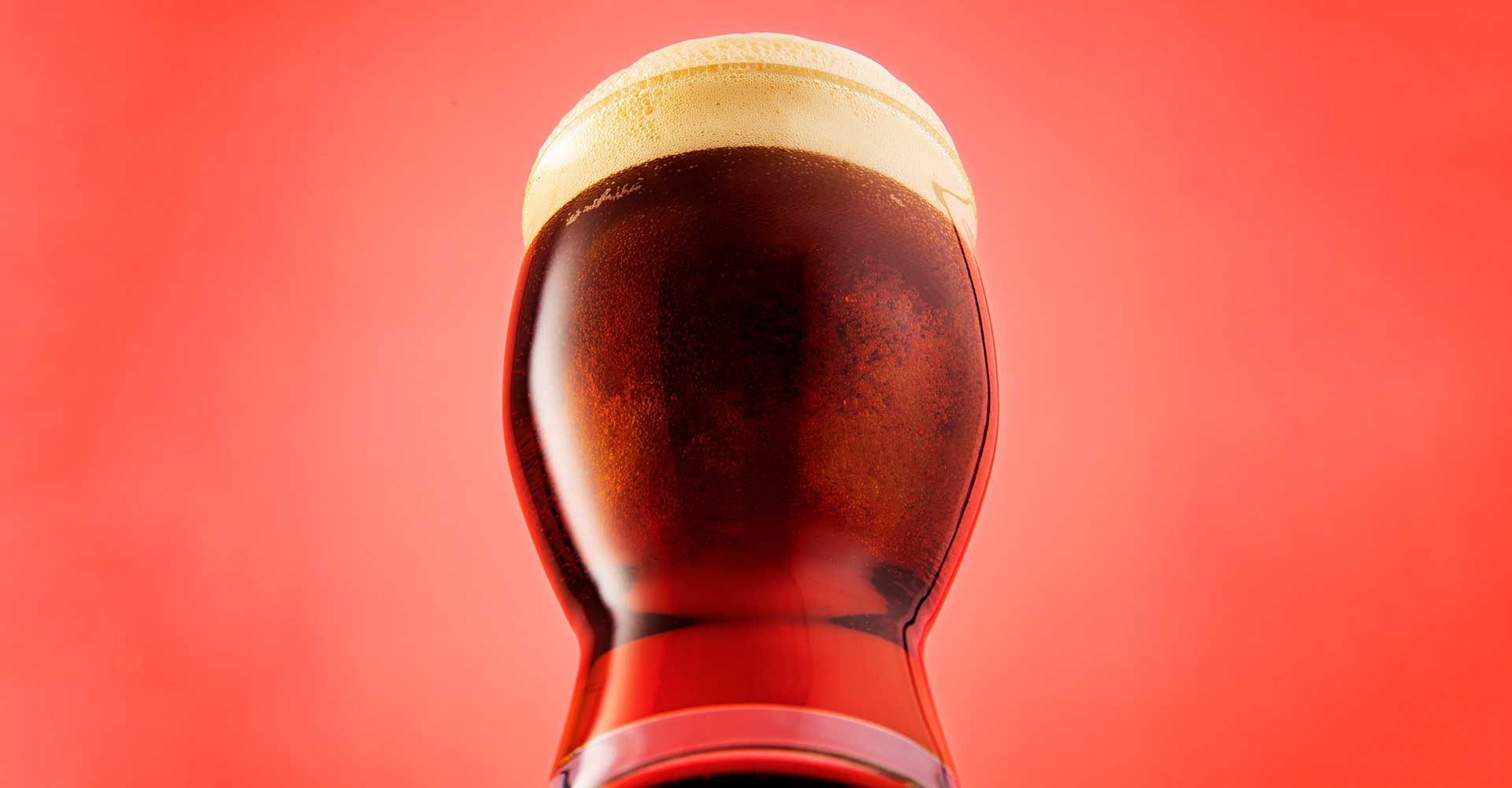
Make Your Best Amber Rye Ale
Besides having a nice red-amber hue and tasting great—earthy, malty, and spicy-bitter—this recipe shows how alternative base grains can make a significant difference in flavor.
By Josh Weikert

7 articles in this category
Besides having a nice red-amber hue and tasting great—earthy, malty, and spicy-bitter—this recipe shows how alternative base grains can make a significant difference in flavor.
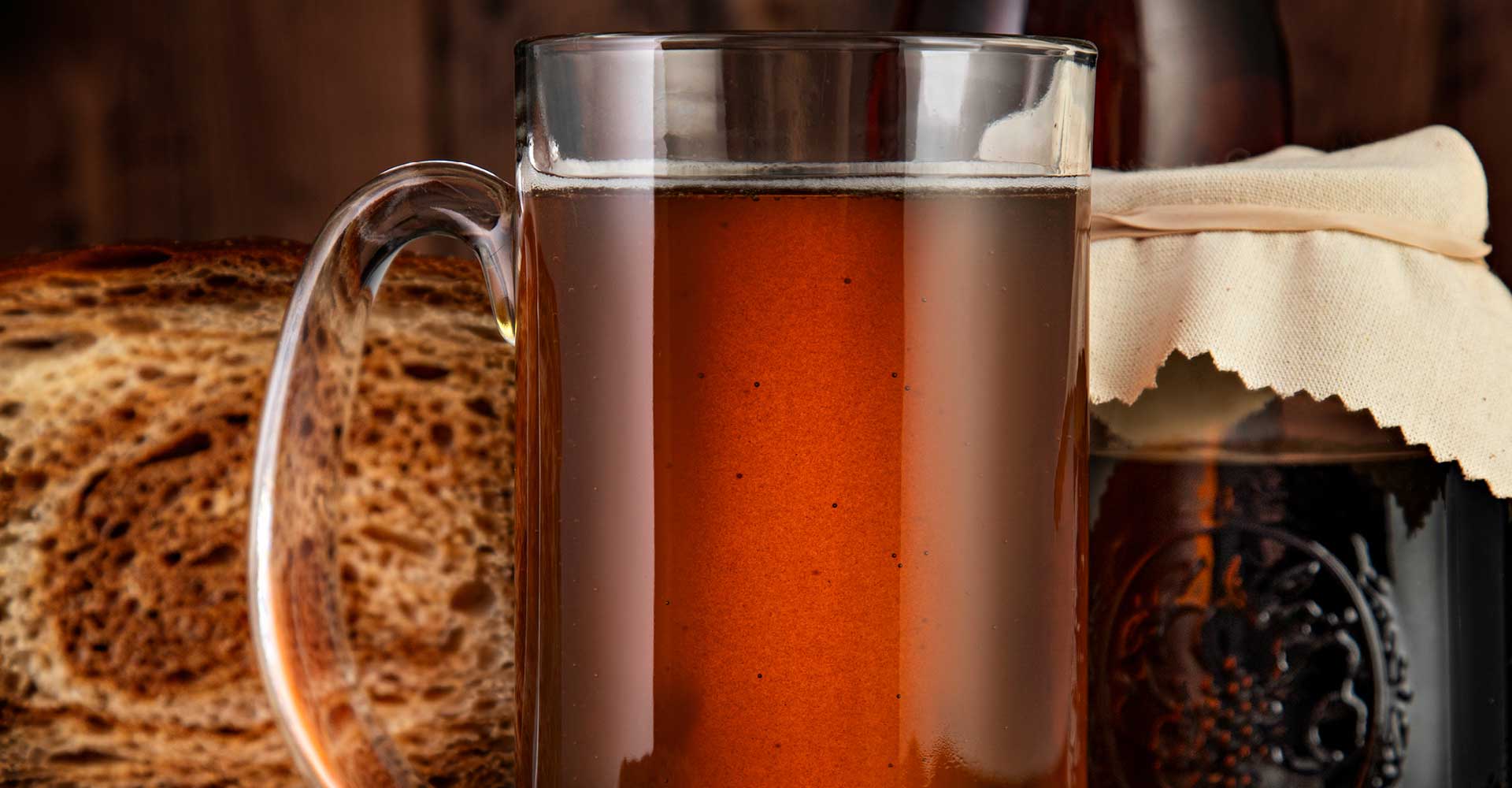
Technically, kvass isn’t beer—but it’s delicious, fermented, easy to make, and a long-standing tradition in Eastern Europe.
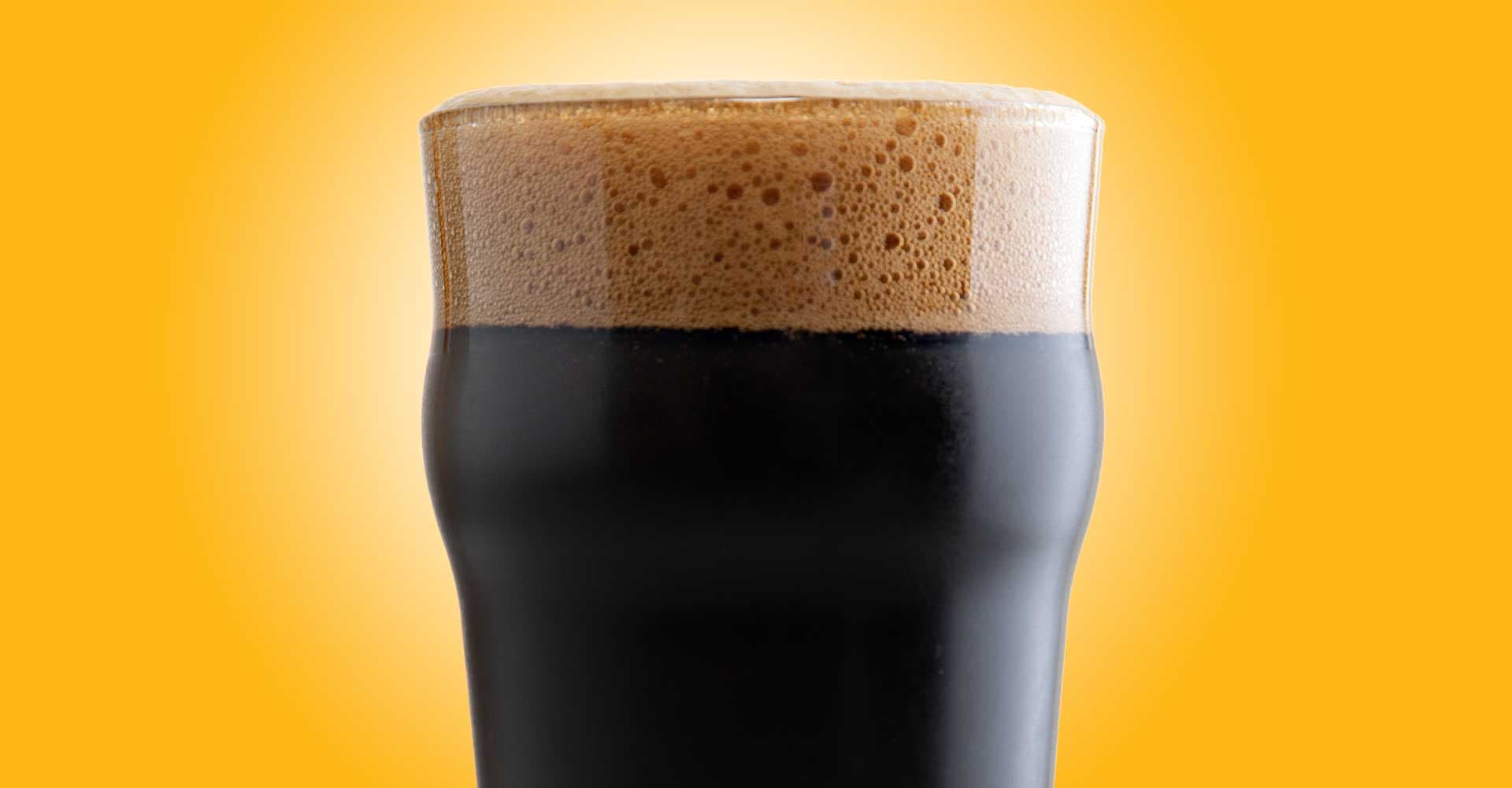
At last year’s World Beer Cup, the team at Atlas Brew Works brought a gold medal home to the nation’s capital with Silent Neighbor—a “pumpernickel stout” brewed with rye and blackstrap molasses. Here’s how they put it together.
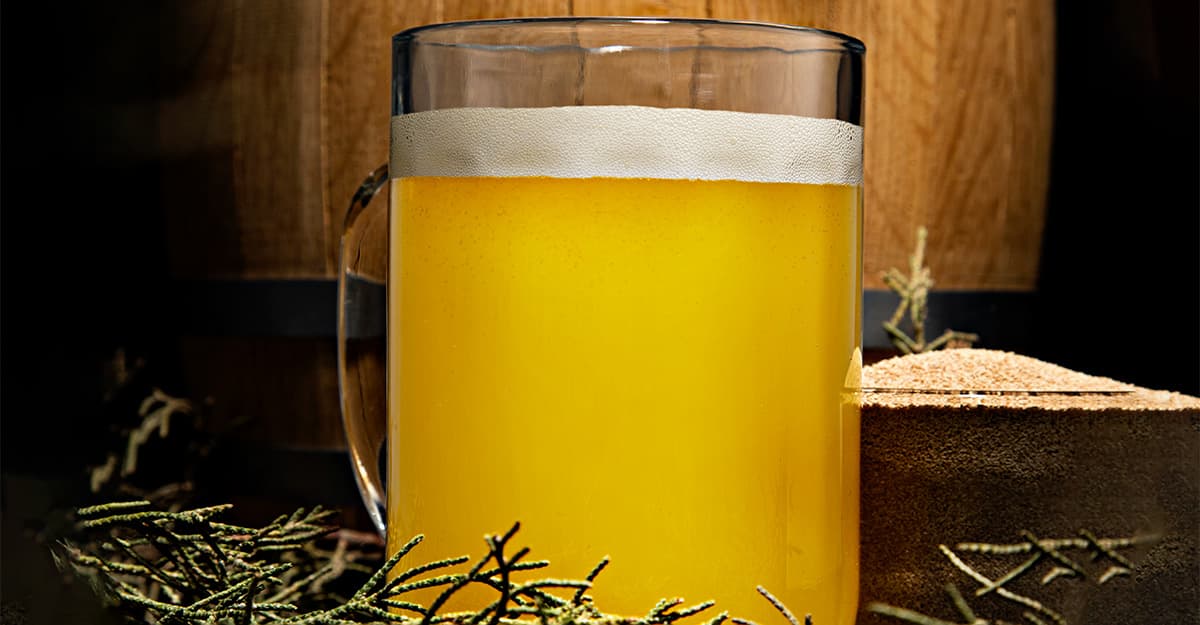
The signature farmhouse style of Estonia is a quirky product of preserved tradition, local ingredients, and practicality. It’s also a perfect reminder that farmhouse brewing is, after all, homebrewing.
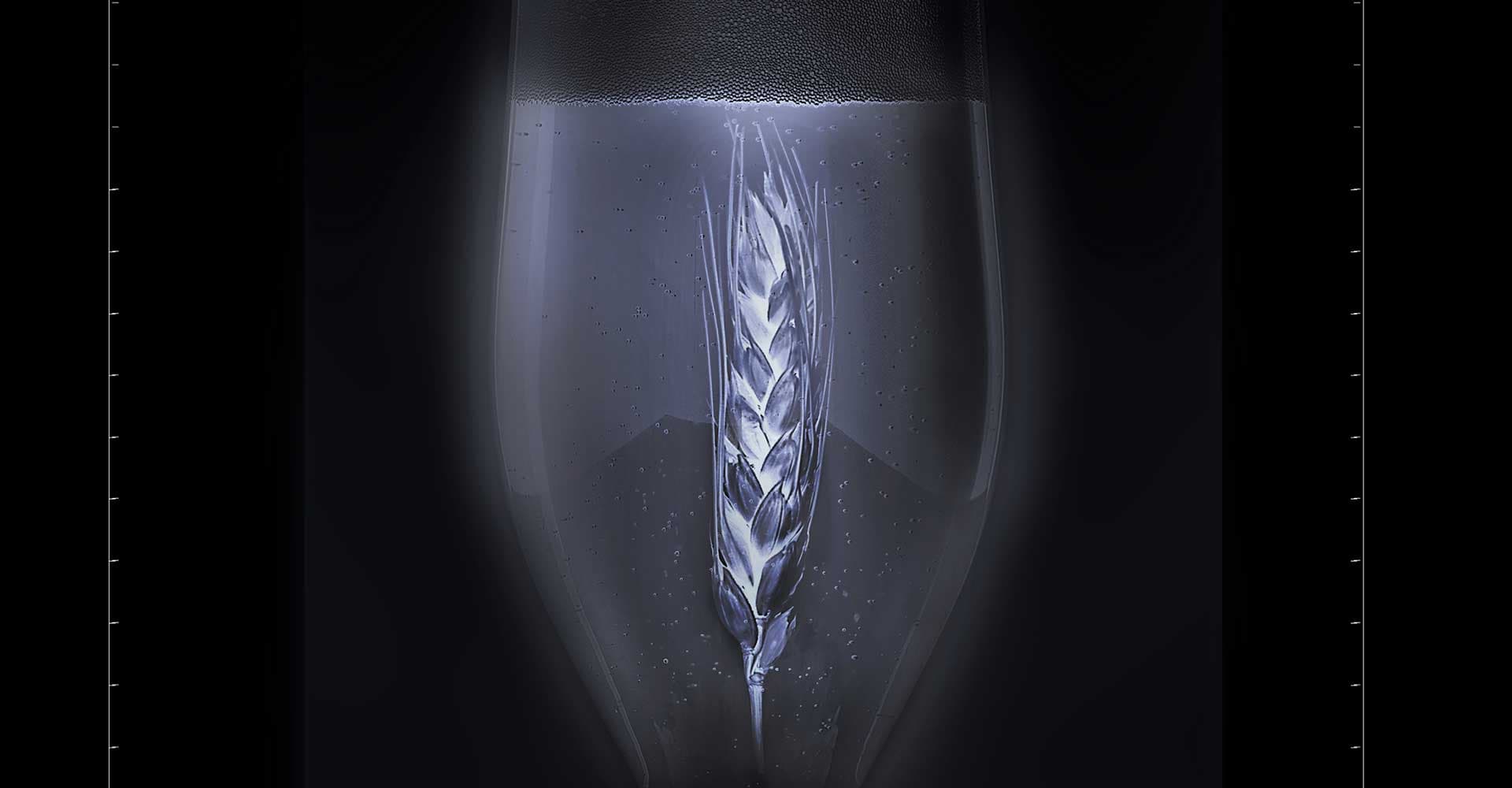
Why ask rye? Is it actually all that tricky to use? And what does rye really taste like, anyway? Let’s simplify this complex, evocative, old-fashioned ingredient—and make some great beer with it.

Steven Anan, head brewer and co-owner of Archetype Brewing in Asheville, takes you through alternative grains—including oats, wheat, rye, and non-cereals. He provides an overview of the ingredients and how to use them to formulate a better beer.
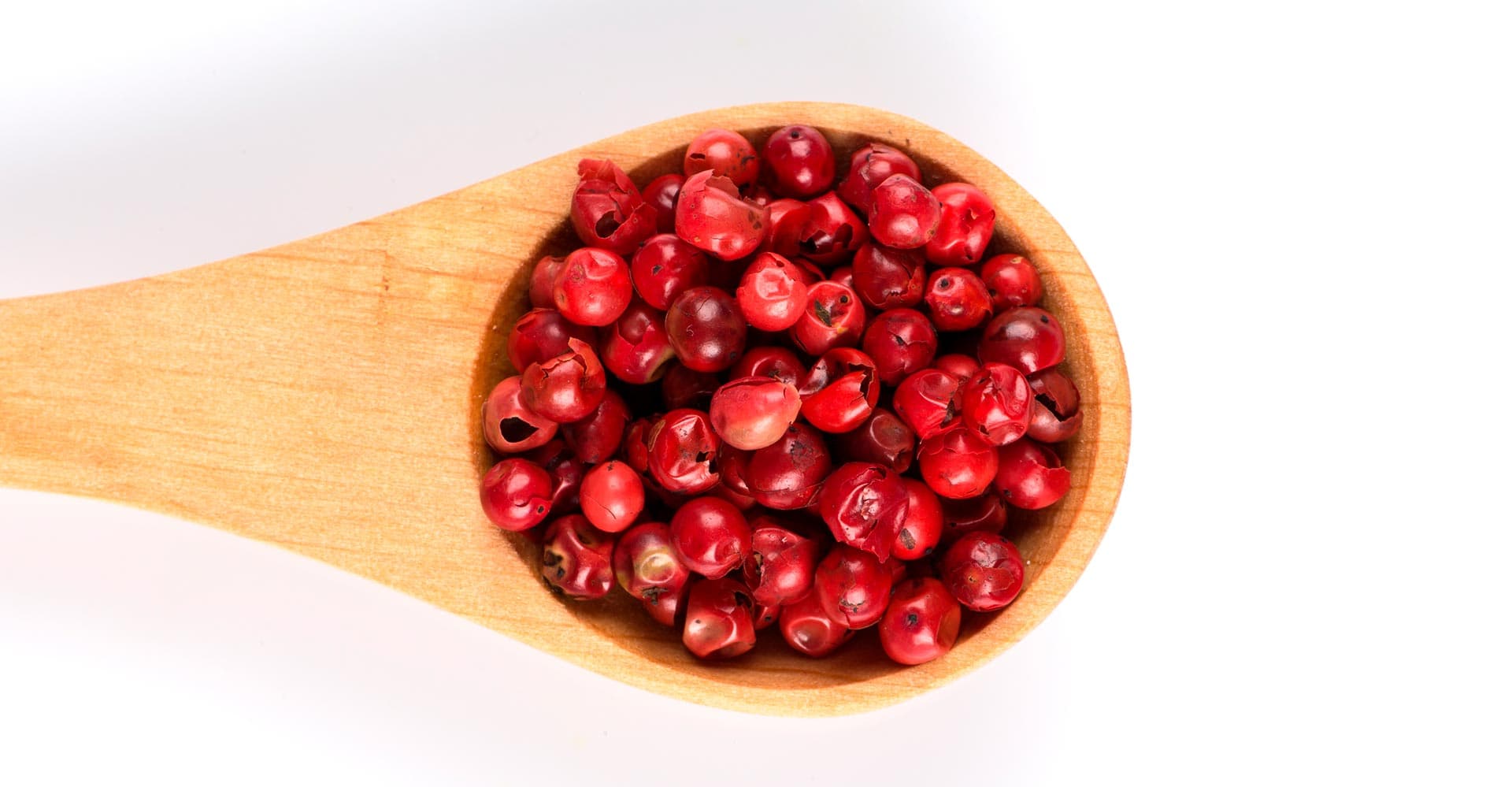
Interested in brewing a beer with pink peppercorn? Michael Carroll of Band of Bohemia, in Chicago, has you covered. This recipe is especially nice when your winter could use a bit of warmth.
Browse every article filed under this tag.